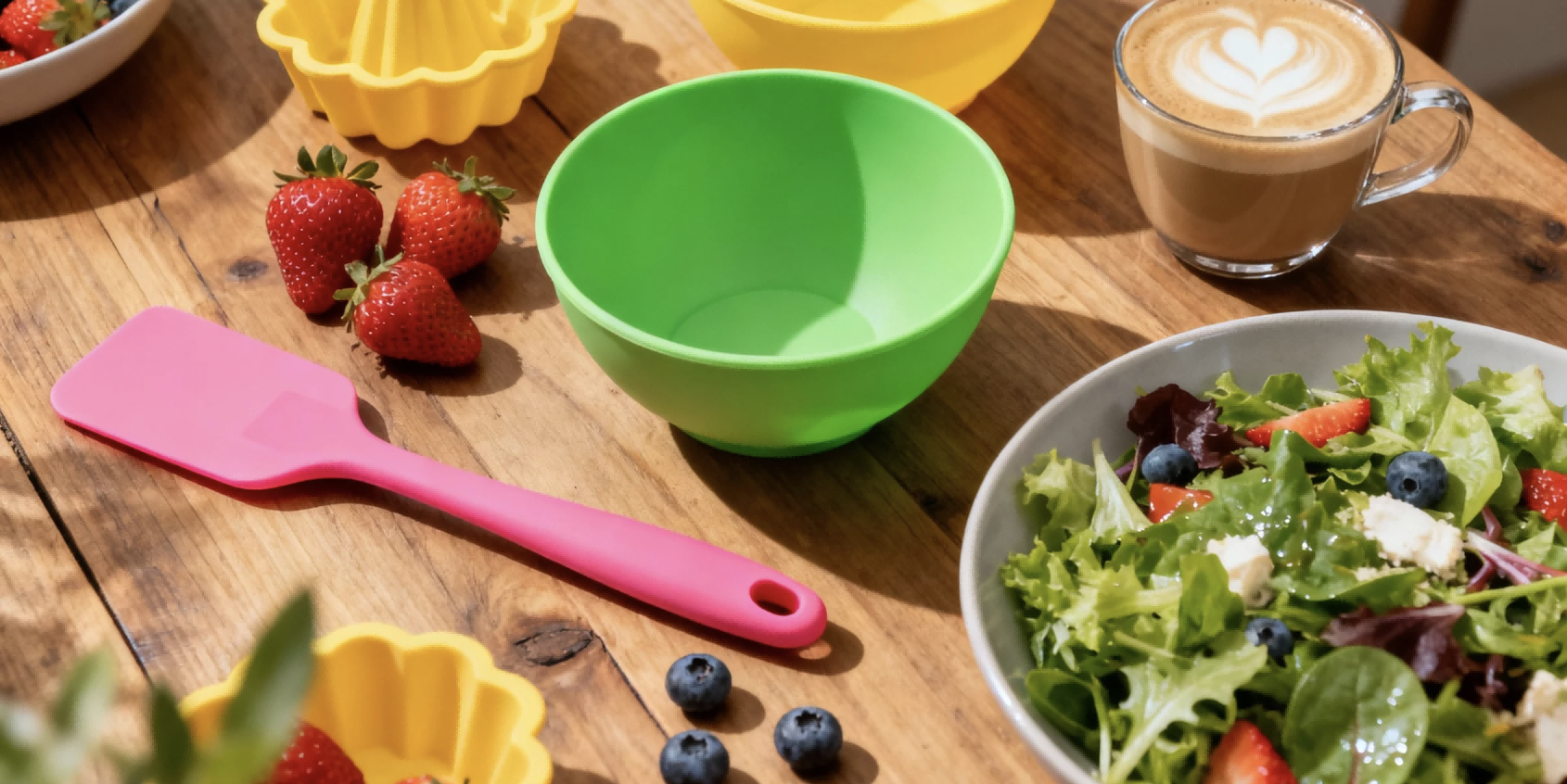
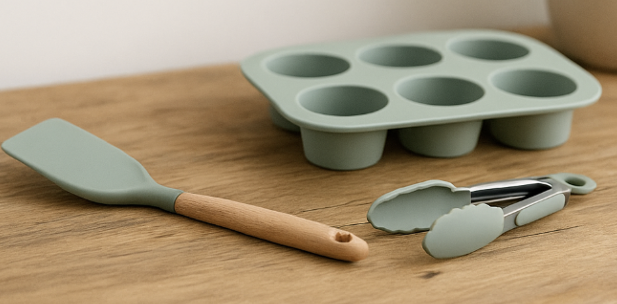
silicone rubber kitchenware usage instructions
1. Preparation Before First Use
- Thorough Cleaning: Before first use, wash the silicone product thoroughly with warm water and mild detergent to remove any residual manufacturing residue or odors. If there is a slight industrial smell, soak the item in hot water with lemon slices or vinegar for 30 minutes, then rinse with clean water.
- Air Drying: Let the silicone product air dry naturally after washing. Avoid using towels or paper towels to prevent lint from sticking.
- Inspect for Damage: Check the surface of the silicone product for cracks, tears, or visible defects. If you find any issues, discontinue use and contact the seller for a replacement.
2. Cooking and Baking Instructions
Temperature Tolerance
- Silicone kitchenware is highly temperature-resistant, typically suitable for use between -40°F (-40°C) and 450°F (232°C). Some high-quality products can withstand even higher temperatures.
- Avoid prolonged exposure to extreme temperatures, especially beyond the recommended range, to prevent deformation or damage.
During Baking
- Silicone molds are soft and flexible. Place them on a metal baking tray or rack for stability during filling and transferring.
- When using molds for liquid-based foods (e.g., cake batter or pudding), fill only up to ¾ of the mold’s capacity to prevent overflow.
- For sticky foods like chocolate cake or cheesecake, lightly grease the mold with butter or oil for easier release.
Stirring and Frying
- Silicone spatulas, spoons, and other utensils are ideal for non-stick cookware, as they prevent scratching.
- Avoid leaving silicone tools in hot pans or near open flames for extended periods to prevent overheating and damage.
3. Microwave and Freezer Usage
Microwave Heating
- Silicone products are safe for use in the microwave and do not release harmful substances. However, avoid concentrated or excessively high heat zones.
- For foods with high fat or sugar content, monitor the heating time to prevent overheating, which could damage the silicone.
Freezer Storage
- Silicone remains flexible at low temperatures and is unlikely to crack, making it perfect for freezing ice cubes, juice, or food storage.
- To release frozen items, gently squeeze the silicone surface for easy removal.
4. Cleaning and Maintenance
Daily Cleaning
- Silicone kitchenware is dishwasher safe. Place it on the top rack to avoid contact with heating elements.
- For handwashing, use a soft sponge and mild detergent. Avoid abrasive cleaning tools like steel wool that could damage the surface.
Removing Stubborn Residue
- For greasy residue or stubborn stains, soak the silicone in warm water with baking soda or vinegar, then scrub gently.
- To remove discoloration (e.g., from tomato sauce or turmeric), soak in a mixture of hydrogen peroxide and water (1:1 ratio) or leave the item in sunlight to naturally fade the stain.
Eliminating Odors
- If the silicone product develops odors from prolonged use, soak it in lemon water, baking soda solution, or vinegar for an hour, then rinse thoroughly with clean water.
5. Storage and Precautions
- Avoid Sharp Objects: Silicone surfaces are soft and can be punctured or scratched by knives, forks, or other sharp tools. Store separately from metal utensils.
- Dry Before Storing: Ensure the silicone product is completely dry before storing to prevent mold or bacteria growth in a humid environment.
- Foldable Items: For collapsible silicone items, unfold and air dry before storing to avoid trapping moisture or odors.
6. Safety Tips and Prohibited Uses
- Avoid Open Flames: Do not place silicone products directly over open flames, charcoal grills, or high-temperature stovetops to prevent burning or melting.
- Caution with Cooking Sprays: Cooking sprays may leave a sticky residue that’s hard to clean. Use butter or oil instead.
- Not for High-Temperature Frying: Silicone kitchenware is not suitable for direct contact with high-temperature frying conditions.
7. Special Use Cases and Tips
- Chocolate Molds: For making chocolates or other desserts that require cooling, lightly freeze the mold to facilitate easy release.
- Baking Mat Substitute: Silicone baking mats can replace parchment paper for oven use, offering an eco-friendly and easy-to-clean option.
- Steaming Basket: When using a silicone steaming basket, ensure it is stably placed in the pot, and avoid overfilling the water level to prevent submerging the silicone.
Conclusion
Silicone kitchenware is an essential tool in modern kitchens due to its excellent heat resistance, flexibility, and ease of cleaning. By following these instructions, you can maximize its longevity and enhance your cooking experience!
Release time: 2025-11-21
Eco-Friendly and Durable: How Silicone Kitchenware is Changing Your Cooking Routine
Silicone Bakeware: A Must-Have for the Modern Kitchen
Related blog