Kitchen Silicone Pad: A Safe and Practical
The Unsung Hero of the Kitchen: The Versatile and Indispensable Silicone Pad
In the bustling environment of a modern kitchen, where sizzling pans meet fresh ingredients and creativity flows, it is often the smallest, most unassuming tools that make the biggest difference. Among these quiet workhorses is the silicone pad—a remarkably practical item that rarely grabs the spotlight but consistently delivers unparalleled convenience, safety, and peace of mind. More than just a simple mat, it is a multifaceted cooking companion that enhances our culinary experiences while ensuring the highest standards of food safety. From protecting delicate countertops from hot pots to providing a non-slip surface for mixing bowls, the silicone pad has rightfully earned its place as an indispensable helper in contemporary kitchens around the world.
Safe and Reliable: Food-Grade Certification for Total Peace of Mind
When it comes to tools that come into direct contact with the food we prepare for ourselves and our loved ones, safety is absolutely paramount. High-quality, approved silicone pads are engineered with this principle as their foundation. They are manufactured to be completely non-toxic, entirely odorless, and perfectly colorless, with a stable molecular structure that does not dissolve or leach into other substances. This inert nature means that even under extreme conditions, they remain intact without releasing any harmful toxins, providing a safe, inert surface for food preparation.
The best silicone pads on the market rigorously meet and exceed stringent international food-grade safety standards, including certifications such as ROSH, FDA, and LFGB. These accreditations are your guarantee that the product has undergone extensive testing and is completely safe for direct and repeated contact with all types of food. However, it is critically important for consumers to be discerning. The market unfortunately also contains silicone pads made from inferior industrial silicone. These low-quality materials are often easy to identify, as they frequently emit unpleasant, chemical-like odors. Worse, some may contain preservatives, fillers, and other harmful chemical substances designed to cut manufacturing costs. Prolonged contact with such substandard materials, especially with fatty or acidic foods, can potentially lead to the migration of these chemicals, and even skin contact may cause irritation, redness, or swelling. Therefore, the choice is clear: when selecting a silicone pad, you must always verify that you are choosing a quality-approved product from a reputable source. Your health and safety depend on it.
Exceptional Resistance to High and Low Temperatures for Diverse Culinary Scenarios
One of the standout features of a genuine, food-grade silicone pad is its extraordinary resilience to temperature extremes. This unique property makes it an incredibly versatile tool suitable for a vast array of kitchen scenarios. High-quality silicone pads are engineered to perform flawlessly over a wide temperature range, typically from a frigid -60 degrees Celsius to a scorching +200 degrees Celsius.
This remarkable thermal stability means you can use them with absolute confidence in the most demanding situations. In high-temperature environments, such as inside a preheated oven or a microwave, they will not deform, melt, or, most importantly, produce any harmful substances. They serve as excellent, reusable non-stick liners for baking sheets, protecting your bakeware and ensuring even cooking. Conversely, their low-temperature resilience makes them perfect for use in the freezer or refrigerator. You can confidently use a silicone pad to line a tray for flash-freezing fruits, cookies, or prepared meals, knowing it will remain flexible and won't become brittle and crack. The correct approach, especially when handling acidic ingredients like tomatoes or citrus, or high-fat foods like oils and butter, is to use a certified food-grade silicone pad as a safe, non-reactive barrier, ensuring your food's flavor and purity are never compromised.
Easy to Clean and Remarkably Convenient to Maintain
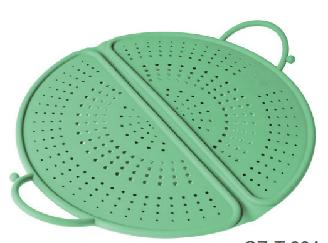
Beyond its safety and versatility, the silicone pad offers unparalleled convenience when it comes to cleaning and maintenance, significantly outperforming traditional alternatives like cloth towels or parchment paper. Unlike cloth, which can absorb stains, harbor bacteria in its fibers, and degrade with repeated washing, a silicone steamer pad or mat is more durable and inherently easy to sanitize.
When you first acquire a new silicone pad, it is recommended to give it a simple initial cleaning. Thanks to its high heat resistance (remember, up to +200°C), you can confidently wash it with boiling water without any risk of shrinkage, warping, or damage. Simply pour boiling water over it, let it cool to a safe handling temperature, and then give it a gentle clean before drying and using it. For ongoing cleaning, the process is just as simple. Most food residue rinses off easily under hot running water. For tougher, greasy residue, a small, helpful tip is to add a tiny amount of salad oil to your warm, soapy wash water. This can help break down stubborn, oil-based stains. However, it is generally recommended to avoid soaking the pad in harsh chemical detergents for long periods, as this is unnecessary and can potentially degrade the silicone over time. A quick wash and rinse are all that's needed to keep your silicone pad hygienically clean and ready for its next task, making it a truly low-maintenance asset in any kitchen.
The Kitchen “All-Purpose Grater”: An Efficiency Champion for Prep Work
Press-type multi-functional vegetable cutter